
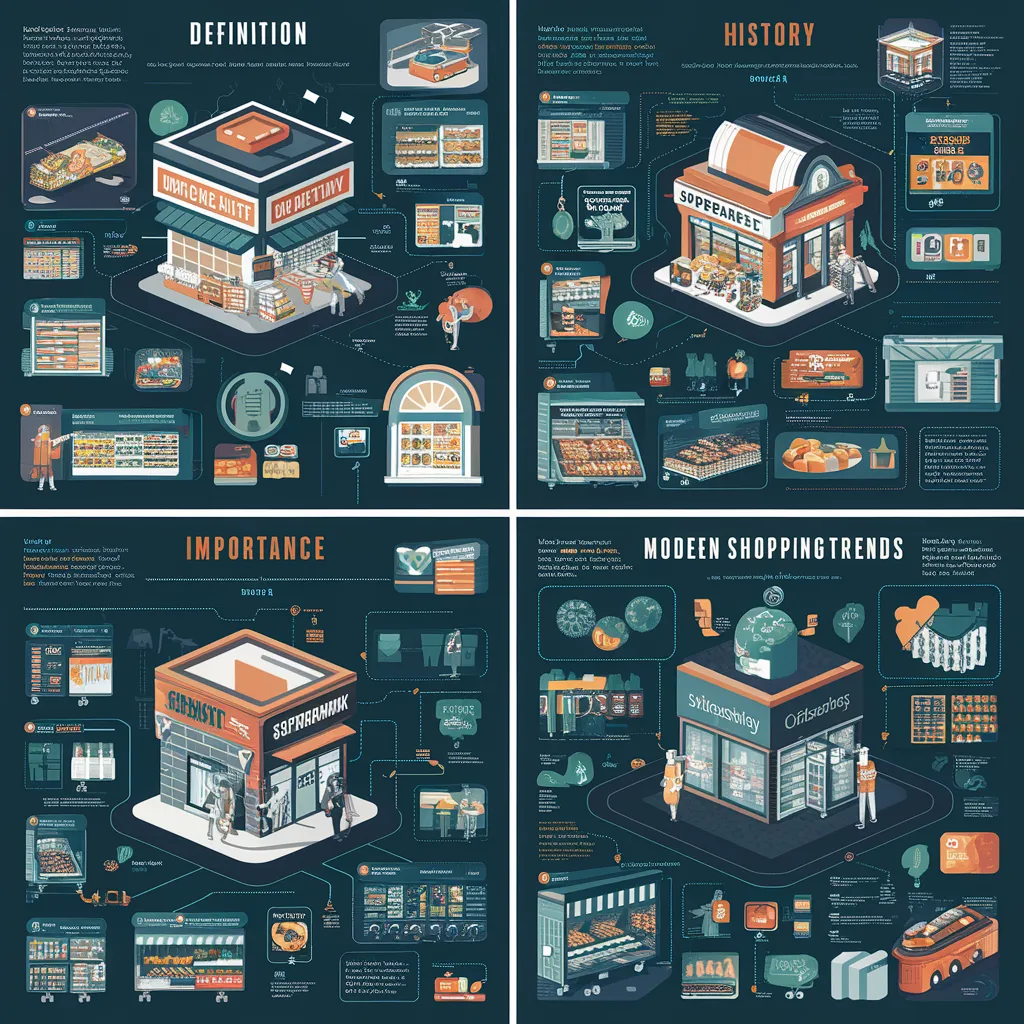

The supermarket has become one of the most essential parts of modern life, shaping the way people shop, eat, and live. It is more than just a place to buy groceries—it is a hub of convenience, variety, and innovation. From fresh produce and household essentials to electronics and personal care products, supermarkets have evolved into one-stop destinations that cater to every consumer need. Over the decades, the supermarket industry has transformed dramatically, driven by technology, consumer behavior, and global economic trends. This article explores the meaning, history, and importance of supermarkets, their role in modern society, and how they continue to adapt to the digital age.
What Is a Supermarket?
A supermarket is a large self-service retail store that offers a wide variety of food, beverages, and household products organized into sections and aisles. Unlike traditional grocery stores, supermarkets operate on a larger scale, providing customers with the convenience of purchasing multiple categories of goods under one roof. They are designed to offer efficiency, affordability, and accessibility, allowing shoppers to browse, compare, and select products at their own pace. Supermarkets typically feature departments such as fresh produce, bakery, dairy, frozen foods, meat, beverages, and non-food items like cleaning supplies and personal care products.
The History and Evolution of Supermarkets
The concept of the supermarket originated in the early 20th century, revolutionizing the retail industry. Before supermarkets, people relied on small local shops or markets where goods were sold over the counter. The first self-service grocery store, Piggly Wiggly, opened in 1916 in Memphis, Tennessee, introducing the idea of customers selecting their own items. This innovation laid the foundation for the modern supermarket model. By the mid-20th century, supermarkets had spread across the United States and Europe, offering lower prices through bulk purchasing and efficient distribution systems. Over time, supermarkets expanded their product ranges, introduced loyalty programs, and adopted technology to enhance the shopping experience. Today, supermarkets are global enterprises that combine physical stores with online platforms to meet the demands of modern consumers.
The Importance of Supermarkets in Modern Society
Supermarkets play a crucial role in the global economy and daily life. They provide access to affordable food and essential goods, supporting both urban and rural communities. By offering a wide range of products, supermarkets promote consumer choice and competition, which helps maintain fair pricing. They also contribute significantly to employment, supply chain development, and local economies. Beyond commerce, supermarkets influence dietary habits, sustainability practices, and social behavior. Many modern supermarkets now focus on health-conscious products, eco-friendly packaging, and community engagement, reflecting their growing responsibility toward society and the environment.
The Structure and Organization of a Supermarket
A supermarket is carefully designed to optimize customer experience and sales efficiency. The layout typically includes wide aisles, categorized sections, and strategic product placement to encourage exploration and impulse buying. Fresh produce and bakery sections are often placed near the entrance to create a welcoming atmosphere, while essential items like milk or bread are located at the back to ensure customers pass through multiple aisles. Supermarkets also use visual merchandising, lighting, and promotional displays to attract attention. Modern supermarkets integrate technology such as self-checkout systems, digital price tags, and mobile payment options to enhance convenience and reduce waiting times.
The Role of Technology in Supermarkets
Technology has transformed the supermarket industry, making shopping faster, smarter, and more personalized. Online grocery shopping, mobile apps, and digital loyalty programs have become standard features. Artificial intelligence and data analytics help supermarkets understand consumer preferences, manage inventory, and optimize pricing strategies. Self-checkout machines and contactless payment systems improve efficiency, while smart shelves and automated restocking systems ensure product availability. Additionally, e-commerce integration allows customers to order groceries online and have them delivered to their doorstep, bridging the gap between physical and digital retail. The use of technology has not only improved convenience but also enhanced sustainability by reducing waste and energy consumption.
The Economic and Social Impact of Supermarkets
Supermarkets have a profound impact on both the economy and society. Economically, they create millions of jobs worldwide, from supply chain logistics to retail management. They also support local farmers and manufacturers by providing a platform to sell their products to a wider audience. Socially, supermarkets influence consumer behavior and lifestyle choices. They shape eating habits by determining which products are available and affordable. Many supermarkets now promote healthy eating through organic and locally sourced products. Furthermore, supermarkets often engage in corporate social responsibility initiatives, such as food donation programs and environmental sustainability projects, reinforcing their role as community partners.
The Future of Supermarkets: Trends and Innovations
The future of supermarkets is being shaped by technology, sustainability, and changing consumer expectations. The rise of online grocery shopping and home delivery services has redefined convenience. Supermarkets are increasingly adopting hybrid models that combine physical stores with digital platforms. Sustainability is another major focus, with many retailers reducing plastic use, sourcing ethically produced goods, and investing in renewable energy. Automation and artificial intelligence are expected to play a larger role in inventory management and customer service. Personalized shopping experiences, driven by data analytics, will allow supermarkets to tailor promotions and recommendations to individual preferences. The supermarket of the future will be smarter, greener, and more customer-centric than ever before.
Conclusion
The supermarket is more than just a place to buy groceries—it is a cornerstone of modern civilization. From its humble beginnings as a self-service store to its current status as a global retail powerhouse, the supermarket has continuously evolved to meet the needs of consumers. It represents convenience, variety, and innovation, shaping how people live and interact with the world around them. As technology and sustainability continue to influence the retail landscape, supermarkets will remain at the forefront of change, adapting to new challenges and opportunities. The future of supermarkets lies in their ability to balance efficiency with empathy, ensuring that shopping remains both convenient and meaningful.
FAQs
1. What is a supermarket?
A supermarket is a large self-service retail store that sells a wide range of food, beverages, and household products organized into sections for customer convenience.
2. Who invented the first supermarket?
The first self-service grocery store, Piggly Wiggly, was founded by Clarence Saunders in 1916 in Memphis, Tennessee, marking the beginning of the supermarket era.
3. How do supermarkets benefit consumers?
Supermarkets offer convenience, variety, and competitive pricing. They allow customers to purchase multiple categories of goods in one location, saving time and money.
4. What role does technology play in supermarkets?
Technology enhances efficiency and customer experience through online shopping, self-checkout systems, digital payments, and data-driven inventory management.
5. What is the future of supermarkets?
The future of supermarkets will focus on sustainability, automation, and personalized shopping experiences. Hybrid models combining physical and online stores will dominate the retail landscape.
6. How do supermarkets impact the economy?
Supermarkets contribute to economic growth by creating jobs, supporting local suppliers, and driving innovation in logistics, marketing, and retail technology.
7. Why are supermarkets important in modern life?
Supermarkets are essential because they provide access to affordable food and essential goods, promote healthy lifestyles, and serve as community hubs that connect people and cultures.