

Many people encounter alpaca vs llama at farms, zoos, wildlife parks, and educational exhibits and immediately wonder whether they are looking at the same animal. At first glance, these South American camelids appear remarkably similar because both possess long necks, expressive faces, thick coats, and gentle personalities. However, despite their similarities, alpacas and llamas are distinct species with different physical characteristics, purposes, behaviors, and histories. Understanding the differences between alpacas and llamas helps animal enthusiasts, farmers, students, and travelers appreciate the unique qualities of each species.
Both animals originate from the Andes Mountains of South America and have played important roles in human civilization for thousands of years. Indigenous cultures relied on these animals for transportation, fiber production, companionship, and agricultural support. Today, alpacas and llamas continue to gain popularity worldwide due to their economic value, gentle nature, and growing presence in sustainable farming operations.
This comprehensive guide explores the similarities and differences between alpacas and llamas, including their appearance, size, temperament, uses, history, care requirements, and economic importance. By the end of this article, readers will have a clear understanding of how to identify each animal and appreciate the unique contributions both species make to agriculture and society.
What Are Alpacas?
Alpaca are domesticated camelids primarily bred for their luxurious fiber. They are descendants of the wild vicuña and have been selectively bred for thousands of years to produce soft, warm, and highly valuable fleece.
Alpacas are generally smaller than llamas and are known for their gentle, curious, and social personalities. Their fiber is considered one of the finest natural fibers in the world because it is lightweight, soft, durable, and available in a wide variety of natural colors.
Today, alpacas are raised in many countries for fiber production, agritourism, breeding programs, and companionship.
What Are Llamas?
Llama are larger camelids traditionally used as pack animals. They are descendants of the wild guanaco and have been an important part of Andean culture for centuries.
Llamas were historically valued for transporting goods across mountainous terrain. Their strength, endurance, and intelligence made them ideal companions for trade and travel in regions where wheeled transportation was impractical.
Modern llamas continue to serve various roles, including livestock guardians, pack animals, therapy animals, and educational ambassadors.
Quick Comparison: Alpaca vs Llama
The chart illustrates general differences rather than exact measurements. Alpacas excel in fiber production, while llamas are larger and better suited for carrying loads and guarding livestock.
Physical Appearance
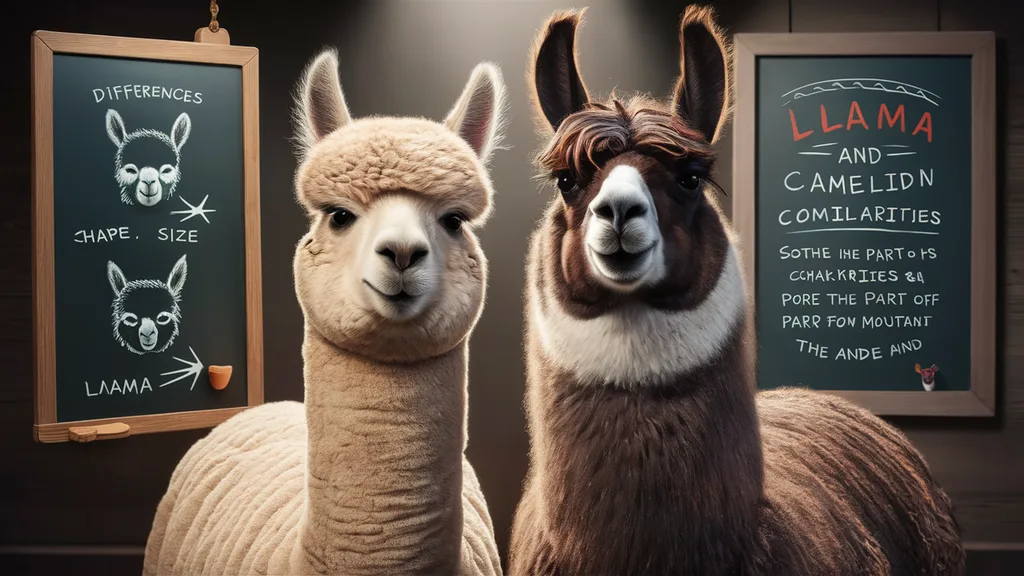
One of the easiest ways to distinguish alpacas from llamas is by examining their faces and body structures. Alpacas typically have shorter faces, smaller bodies, and fluffy wool covering much of their appearance. Their ears are generally short and spear-shaped, contributing to their distinctive and often adorable look.
Llamas, by contrast, have longer faces, taller bodies, and more elongated necks. Their ears are longer and curved inward, creating what many people describe as a banana-shaped appearance. Their coats tend to be coarser and less dense than alpaca fleece.
These physical differences make identification easier once observers know what characteristics to look for.
Size and Weight Differences
Size is one of the most significant distinctions between alpacas and llamas. Alpacas generally stand around three feet at the shoulder and weigh between 100 and 200 pounds. Their smaller size contributes to their popularity among fiber farmers and hobby livestock owners.
Llamas are considerably larger. Many adult llamas stand four feet or more at the shoulder and may weigh between 250 and 450 pounds. Their larger frames provide the strength necessary for carrying loads and performing guard duties.
Because of these size differences, llamas are often more imposing in appearance, while alpacas appear compact and approachable.
Fiber and Wool Quality
The primary reason many farmers choose alpacas is their exceptionally valuable fleece. Alpaca fiber is known for its softness, warmth, durability, and hypoallergenic qualities. Luxury clothing manufacturers frequently use alpaca fiber to create scarves, sweaters, coats, blankets, and other premium products.
Alpacas produce fiber in numerous natural shades, reducing the need for artificial dyes and increasing their appeal within sustainable fashion markets.
Llamas also produce fiber, but it is generally coarser and less commercially valuable than alpaca fleece. While llama fiber can still be used for textiles and crafts, it is not typically considered a luxury fiber.
This difference in fleece quality represents one of the most important economic distinctions between the two animals.
Temperament and Personality
Alpacas are often described as shy, gentle, and highly social animals. They thrive in herds and generally prefer peaceful interactions. Their calm nature makes them popular attractions at educational farms and agritourism destinations.
Llamas tend to display greater confidence and independence. While they can also be friendly and affectionate, they often exhibit stronger protective instincts and may act as guardians for sheep, goats, and alpacas.
Both species communicate using body language, vocalizations, and facial expressions, making them fascinating animals to observe and interact with.
Historical Importance
The history of alpacas and llamas stretches back thousands of years to the civilizations of the Andes Mountains. Ancient societies carefully bred these animals to serve specific purposes.
Alpacas were primarily developed for fiber production because their fleece provided warmth and comfort in harsh mountain climates. Llamas, meanwhile, were bred for transportation and carrying goods across difficult terrain.
These specialized roles allowed both animals to contribute significantly to agriculture, trade, and daily life throughout South American history.
Farming and Care Requirements
Both alpacas and llamas require appropriate shelter, nutrition, veterinary care, and social interaction. They are herd animals and generally thrive when kept with members of their own species or compatible companions.
Alpaca farms often focus on fiber production and breeding programs, while llama farms may emphasize livestock protection, recreational activities, or educational experiences.
Regular shearing, health monitoring, parasite control, and proper nutrition are essential components of responsible care for both species.
Farmers frequently appreciate these animals because they are relatively efficient grazers and have a lower environmental impact compared to some larger livestock species.
Modern Uses of Alpacas and Llamas
Today, alpacas are primarily raised for their valuable fiber and growing agritourism appeal. Their fleece supports a global textile industry that produces luxury garments and specialty products.
Llamas continue to serve practical functions as pack animals and livestock guardians. Their alert nature helps protect vulnerable animals from predators, making them valuable additions to many farming operations.
Both species also participate in therapy programs, educational initiatives, and recreational activities that promote public awareness and appreciation of agriculture.
Which Is Better: Alpaca or Llama?
The answer depends entirely on individual goals. People interested in fiber production generally prefer alpacas because of the superior quality and commercial value of their fleece.
Those seeking livestock guardians, pack animals, or larger working animals may prefer llamas because of their strength, confidence, and versatility.
Neither species is objectively better. Instead, each excels in different areas and offers unique benefits depending on the needs of the owner.
Conclusion
The comparison between alpaca vs llama reveals two remarkable animals that share a common heritage while serving different purposes. Alpacas are smaller, gentler, and primarily valued for their luxurious fiber, while llamas are larger, stronger, and traditionally used as pack animals and livestock guardians. Both species have played important roles in human history and continue contributing to agriculture, tourism, and sustainable farming around the world.
Understanding the differences between alpacas and llamas helps prospective owners, animal enthusiasts, and curious readers appreciate the unique strengths of each species. Whether admired for their soft fleece, practical utility, or engaging personalities, alpacas and llamas remain among the most fascinating domesticated animals on the planet.
Frequently Asked Questions (FAQ)
What is the main difference between an alpaca and a llama?
The primary difference is size and purpose. Alpacas are smaller and bred mainly for fiber, while llamas are larger and traditionally used as pack animals.
Are alpacas and llamas related?
Yes. Both belong to the camelid family and originate from South America.
Which animal has softer wool?
Alpacas produce significantly softer and more valuable fiber than llamas.
Can alpacas and llamas live together?
Yes. They can often coexist peacefully when properly managed.
Are llamas bigger than alpacas?
Yes. Llamas are generally much taller and heavier than alpacas.
Which is better for farming?
It depends on the goal. Alpacas are preferred for fiber production, while llamas are often used as guardians and working animals.
Do alpacas and llamas spit?
Yes. Both species can spit, usually as a form of communication or social interaction within their herd.