
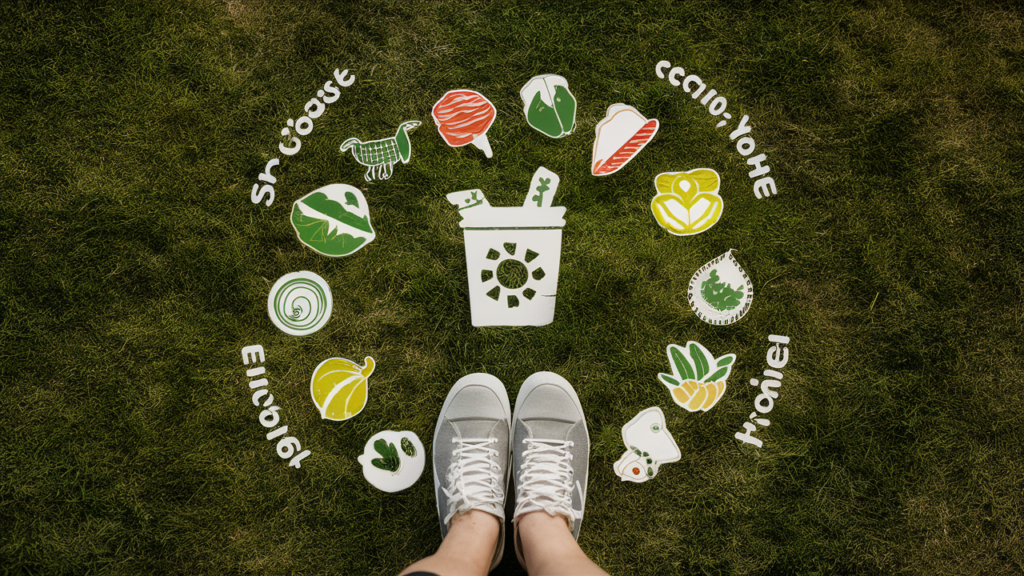

The growing concern about environmental pollution, overflowing landfills, and climate change has encouraged many individuals to rethink the way they consume resources and manage waste. Among the most influential sustainability movements of recent years is the zero waste lifestyle, a philosophy that encourages people to reduce waste generation and make more environmentally responsible choices. While achieving absolute zero waste may be difficult in modern society, the goal is to significantly minimize the amount of trash sent to landfills and promote a more sustainable way of living.
A zero waste lifestyle is not about perfection. Instead, it focuses on making conscious decisions that reduce environmental impact while encouraging long-term sustainability. By choosing reusable products, reducing unnecessary purchases, repairing items instead of replacing them, and supporting responsible consumption, individuals can make a meaningful difference in both their personal lives and the health of the planet.
As awareness of environmental issues continues to grow, more households, businesses, and communities are adopting zero waste principles. These practices not only help reduce pollution but can also save money, encourage healthier habits, and promote a stronger connection to the resources we use every day. Understanding the foundations of zero waste living provides valuable insight into how small changes can create significant environmental benefits over time.
This comprehensive guide explores the principles, benefits, challenges, and practical steps involved in adopting a zero waste lifestyle and creating a more sustainable future.
What Is a Zero Waste Lifestyle?
A zero waste lifestyle is an approach to living that aims to minimize the amount of waste produced by individuals, households, and communities. The primary objective is to prevent materials from ending up in landfills, incinerators, or natural environments whenever possible.
Rather than relying heavily on disposable products and single-use packaging, people who follow zero waste principles prioritize reusable, recyclable, compostable, and durable alternatives. The concept encourages mindful consumption and emphasizes reducing unnecessary purchases that contribute to environmental degradation.
At its core, zero waste living challenges the traditional “take, make, and dispose” model of consumption. Instead, it promotes a circular approach where products are reused, repaired, repurposed, or recycled to maximize their lifespan and reduce waste generation.
The Five Principles of Zero Waste
Many advocates of the zero waste movement follow a framework commonly known as the “Five Rs.”
Refuse
The first principle encourages people to refuse items they do not need. This includes promotional materials, single-use plastics, unnecessary packaging, and impulse purchases that contribute to waste.
Reduce
Reducing consumption means buying fewer products and focusing on quality rather than quantity. Thoughtful purchasing decisions help decrease resource use and waste production.
Reuse
Reusable products play a central role in zero waste living. Replacing disposable items with reusable alternatives significantly reduces waste over time.
Recycle
While recycling is important, it should not be the primary solution. Recycling requires energy and resources, making waste prevention more effective whenever possible.
Rot
Composting organic materials such as food scraps and yard waste helps return nutrients to the soil while reducing landfill waste.
Together, these principles create a practical framework for sustainable living and environmental responsibility.
Benefits of a Zero Waste Lifestyle
One of the most compelling reasons people adopt a zero waste lifestyle is its positive environmental impact. By reducing waste generation, individuals help conserve natural resources, decrease pollution, and lower greenhouse gas emissions associated with manufacturing and waste disposal.
Financial savings are another significant advantage. Reusable products often have higher upfront costs but provide long-term value by reducing the need for frequent replacements. Households that practice mindful consumption frequently spend less on unnecessary items and disposable products.
A zero waste lifestyle can also improve personal well-being. Many sustainable choices involve purchasing fewer processed products, preparing meals at home, and prioritizing durable, high-quality goods. These habits often support healthier lifestyles while reducing exposure to unnecessary chemicals and packaging materials.
Additionally, zero waste living encourages greater awareness of consumption patterns and resource use, fostering a stronger sense of environmental stewardship.
How to Start a Zero Waste Lifestyle
Beginning a zero waste journey does not require dramatic changes overnight. In fact, gradual adjustments are often more sustainable and easier to maintain.
Start by conducting a waste audit. Examine the contents of your trash and identify the items you discard most frequently. This process helps reveal opportunities for improvement and highlights areas where reusable alternatives can be introduced.
Replacing single-use products with reusable options is another effective starting point. Reusable shopping bags, water bottles, food containers, coffee cups, and cloth napkins can significantly reduce household waste over time.
Meal planning and proper food storage can also reduce food waste, which represents a substantial portion of household garbage in many regions. Buying only what is needed and using leftovers creatively helps minimize unnecessary disposal.
As new habits become established, additional sustainable practices can be gradually incorporated into daily routines.
Reducing Plastic Waste
Plastic pollution is one of the most visible environmental challenges facing the world today. Millions of tons of plastic enter oceans, rivers, and natural ecosystems each year, causing harm to wildlife and contributing to long-term environmental damage.
A zero waste lifestyle often emphasizes reducing plastic consumption by choosing reusable alternatives. Glass containers, stainless steel bottles, cloth shopping bags, and refillable products can replace many common plastic items.
Consumers can also support businesses that offer minimal packaging, refill stations, and environmentally responsible products. By reducing dependence on single-use plastics, individuals contribute to broader efforts aimed at protecting ecosystems and reducing pollution.
Sustainable Shopping Habits
Mindful shopping is an essential component of zero waste living. Before making a purchase, it is helpful to ask whether the item is truly necessary, whether it can be borrowed or repaired, and how long it is likely to last.
Choosing durable products over disposable alternatives often reduces waste while providing better long-term value. Supporting local businesses, purchasing secondhand items, and selecting products made from sustainable materials can further reduce environmental impact.
Sustainable shopping also involves considering packaging, transportation, and manufacturing practices. Informed purchasing decisions help encourage responsible business practices and support a more sustainable economy.
Challenges of Zero Waste Living
Although the benefits are significant, adopting a zero waste lifestyle can present challenges. Access to package-free products, recycling facilities, and sustainable alternatives varies depending on location and infrastructure.
Convenience can also be a barrier. Disposable products often remain widely available and inexpensive, making them attractive choices for busy consumers. Transitioning to reusable systems may require planning and habit changes.
Additionally, achieving complete zero waste is rarely possible in modern society due to packaging, supply chains, and limited product options. However, the goal is progress rather than perfection. Every effort to reduce waste contributes positively to environmental sustainability.
Recognizing these challenges helps individuals approach zero waste living realistically and sustainably.
Zero Waste Lifestyle and the Future
As environmental concerns continue to grow, zero waste principles are becoming increasingly relevant. Governments, businesses, and consumers are recognizing the importance of reducing waste and promoting sustainable resource management.
Innovations in packaging, recycling technologies, renewable materials, and circular economy models are helping support the transition toward more sustainable systems. Public awareness campaigns and environmental education are further encouraging responsible consumption habits.
The future of sustainability will likely involve greater collaboration among individuals, organizations, and policymakers to reduce waste and protect natural resources. Zero waste living represents an important step toward achieving these broader environmental goals.
Conclusion
A zero waste lifestyle offers a practical and meaningful way to reduce environmental impact while promoting sustainable living. By focusing on waste reduction, responsible consumption, reusable products, and mindful decision-making, individuals can contribute to a healthier planet and a more sustainable future.
Although achieving absolute zero waste may not be realistic for everyone, the principles of refusing unnecessary items, reducing consumption, reusing materials, recycling responsibly, and composting organic waste provide a powerful framework for positive change. Small actions performed consistently can lead to significant long-term results.
As awareness of environmental challenges continues to grow, adopting zero waste habits represents an opportunity to align daily choices with broader sustainability goals. Whether starting with a reusable water bottle or transforming an entire household’s consumption patterns, every step toward waste reduction makes a valuable difference.
Frequently Asked Questions (FAQ)
What is a zero waste lifestyle?
A zero waste lifestyle is an approach to living that aims to minimize waste generation through responsible consumption, reuse, recycling, and composting.
Is it possible to live completely zero waste?
For most people, achieving absolute zero waste is difficult. The goal is to reduce waste as much as possible rather than achieve perfection.
What are the five principles of zero waste?
The five principles are Refuse, Reduce, Reuse, Recycle, and Rot.
How does a zero waste lifestyle help the environment?
It reduces landfill waste, conserves resources, decreases pollution, and lowers greenhouse gas emissions.
Can zero waste living save money?
Yes. Many reusable products reduce long-term spending by replacing disposable alternatives.
What are some easy zero waste habits for beginners?
Using reusable bags, water bottles, food containers, and reducing single-use plastics are excellent starting points.
Why is reducing plastic important in a zero waste lifestyle?
Plastic pollution harms ecosystems, wildlife, and oceans. Reducing plastic use helps minimize environmental damage and supports sustainability.