

The English language contains many fascinating words that carry multiple meanings depending on context, culture, and usage. One such word is “preen.” Although it is not among the most commonly used words in everyday conversation, it remains an important term in both language and nature. People often search for the meaning of preen after encountering it in books, articles, educational materials, or discussions about birds and personal appearance. Understanding the word can help improve vocabulary, communication skills, and comprehension of various topics.
The word preen is particularly interesting because it can describe both animal behavior and human actions. In nature, it is commonly associated with birds grooming their feathers to maintain cleanliness and proper condition. In human behavior, preen often refers to taking pride in one’s appearance, adjusting clothing, grooming oneself, or displaying self-satisfaction. These different uses have allowed the word to remain relevant across literature, education, biology, and everyday communication.
As language evolves, words like preen continue to demonstrate how a single term can develop rich meanings and practical applications. Whether used in scientific discussions, creative writing, or casual conversation, preen remains a valuable word that adds precision and depth to communication.
This comprehensive guide explores the meaning of preen, its origins, common uses, examples, importance in nature, relevance in human behavior, and its place in modern language.
What Does Preen Mean?
The word preen is primarily a verb that refers to grooming, cleaning, or arranging feathers, hair, clothing, or appearance. The exact meaning depends on the context in which it is used.
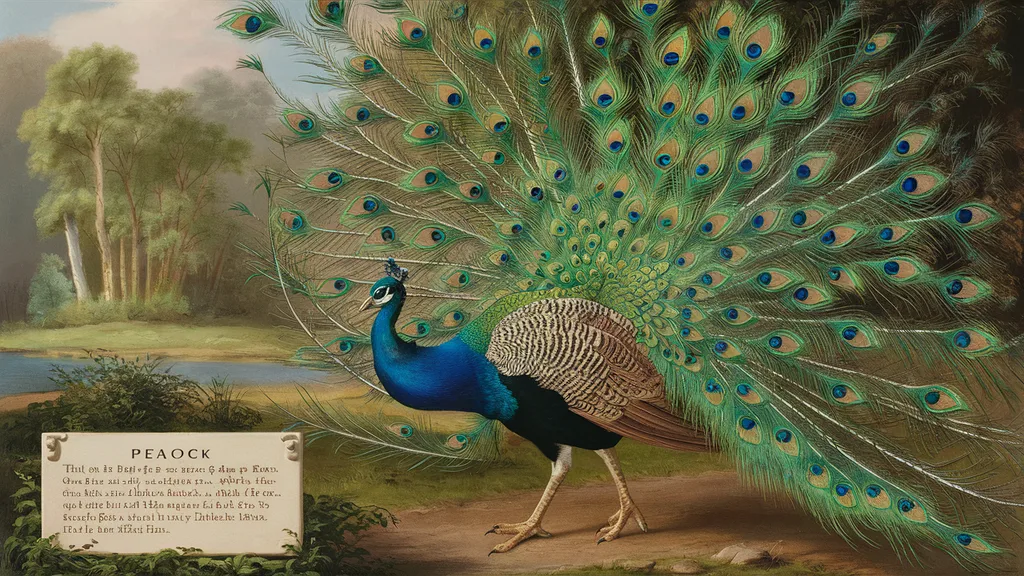
In the natural world, preening describes the behavior of birds carefully cleaning and arranging their feathers. Birds use their beaks to remove dirt, parasites, and damaged feathers while distributing natural oils that help maintain feather health and waterproofing.
When applied to humans, preen often means spending time improving one’s appearance or taking visible pride in how one looks. A person may preen before attending an important event, taking photographs, or meeting others socially.
The word can also carry a figurative meaning. Someone who preens after receiving praise may be displaying pride, confidence, or satisfaction in response to compliments or recognition.
Because of these different interpretations, preen remains a versatile and expressive word within the English language.
The Origin of the Word Preen
The history of the word preen dates back several centuries. Linguists believe it evolved from older forms of English and related European languages associated with grooming, trimming, and maintaining appearance.
Throughout literary history, writers have used preen to describe birds carefully tending their feathers as well as people paying close attention to personal appearance. Over time, the word expanded beyond its original biological context and became a common metaphor for self-care, pride, and presentation.
Today, dictionaries continue to recognize both the literal and figurative meanings of preen, reflecting its long-standing role in English communication.
Preen in Nature
One of the most important meanings of preen relates to bird behavior. Birds spend a significant amount of time preening because feather maintenance is essential for survival. Healthy feathers help birds fly efficiently, regulate body temperature, and protect themselves from environmental conditions.
During preening, birds use their beaks to clean feathers and spread oils produced by specialized glands. These oils help keep feathers flexible and waterproof, which is especially important for aquatic species.
Preening also helps birds remove parasites, dirt, and damaged feather material. By maintaining feather condition, birds improve their ability to fly, stay warm, and attract potential mates.
Scientists often study preening behavior because it provides valuable insights into bird health, environmental conditions, and animal behavior.
Preen and Personal Appearance
In human contexts, preen frequently refers to grooming and self-presentation. People naturally pay attention to their appearance before important social interactions, professional events, or public appearances.
Someone may preen by adjusting clothing, fixing hair, checking makeup, or ensuring they look presentable. This behavior reflects the human desire to make positive impressions and feel confident in social situations.
Personal grooming has long been associated with self-respect, professionalism, and confidence. While moderate attention to appearance is generally considered healthy, excessive preening may sometimes suggest vanity or an excessive focus on external image.
The balance between self-care and confidence makes preening an interesting aspect of human psychology and social behavior.
Figurative Meaning of Preen
Beyond physical grooming, preen can also describe emotional reactions. When someone receives praise, recognition, or admiration, they may “preen” in response by displaying visible pride or satisfaction.
For example, a student who receives an award may preen when praised by teachers and classmates. Similarly, an employee recognized for outstanding performance may show signs of pride and confidence.
This figurative use of preen often appears in literature, journalism, and everyday conversation because it effectively captures the relationship between praise and self-esteem.
Writers frequently use the term to portray characters who enjoy attention or take pleasure in their achievements.
Examples of Preen in Sentences
Understanding examples can make the meaning of preen clearer:
- The bird spent several minutes preening its feathers.
- She stood in front of the mirror and preened before the ceremony.
- After receiving the award, he preened with pride.
- The colorful parrot continued preening throughout the afternoon.
- The actor preened as photographers captured images on the red carpet.
These examples demonstrate how the word can be used in both literal and figurative contexts.
Why Preening Is Important
Preening serves important functions in both nature and human society. For birds, it is a survival behavior that supports health, mobility, and protection. Without regular preening, feathers may become damaged, reducing a bird’s ability to fly and maintain body temperature.
For humans, grooming and self-care contribute to confidence, professionalism, and social interaction. Taking care of personal appearance can positively affect self-esteem and influence how others perceive us.
Additionally, the figurative use of preen highlights the psychological importance of recognition and achievement. People naturally appreciate praise and often feel motivated when their efforts are acknowledged.
These different dimensions make preen a uniquely meaningful word that bridges biology, psychology, and communication.
Preen in Modern Communication
Although preen is not among the most frequently used words in everyday conversation, it remains relevant in literature, journalism, education, and nature writing. Authors often choose the word because it conveys a specific image that simpler alternatives cannot fully capture.
Modern media also uses preen when discussing celebrity culture, fashion, social behavior, and public image. The term effectively describes both physical grooming and emotional reactions to attention or praise.
As language continues evolving, preen remains a useful and expressive word that adds depth and nuance to communication.
Conclusion
The word preen is a fascinating example of how language can connect nature, behavior, and human psychology. Originally associated with birds grooming their feathers, the term has evolved to include personal grooming, self-presentation, and expressions of pride or satisfaction. Its versatility makes it valuable in both scientific and everyday contexts.
Understanding the meaning and usage of preen helps improve vocabulary, reading comprehension, and communication skills. Whether describing a bird caring for its feathers, a person preparing for an important event, or someone enjoying recognition, preen captures actions and emotions with precision and clarity.
As a word that has remained relevant for centuries, preen continues to enrich the English language by providing a vivid way to describe grooming, confidence, and self-expression.
Frequently Asked Questions (FAQ)
What does preen mean?
Preen means to groom, clean, arrange, or take pride in one’s appearance or achievements.
How do birds preen?
Birds use their beaks to clean feathers, remove dirt and parasites, and distribute natural oils that maintain feather health.
Is preen a positive word?
Generally yes. It can describe healthy grooming and confidence, although in some contexts it may suggest vanity or excessive pride.
How is preen used in a sentence?
Example: “The bird preened its feathers before taking flight.”
What is the figurative meaning of preen?
Figuratively, preen means to show pride, satisfaction, or pleasure after receiving praise or attention.
Why is preening important for birds?
Preening helps birds maintain healthy feathers, improve flight performance, regulate temperature, and protect against environmental conditions.
What are some synonyms for preen?
Common synonyms include groom, tidy, arrange, primp, beautify, and spruce up.