
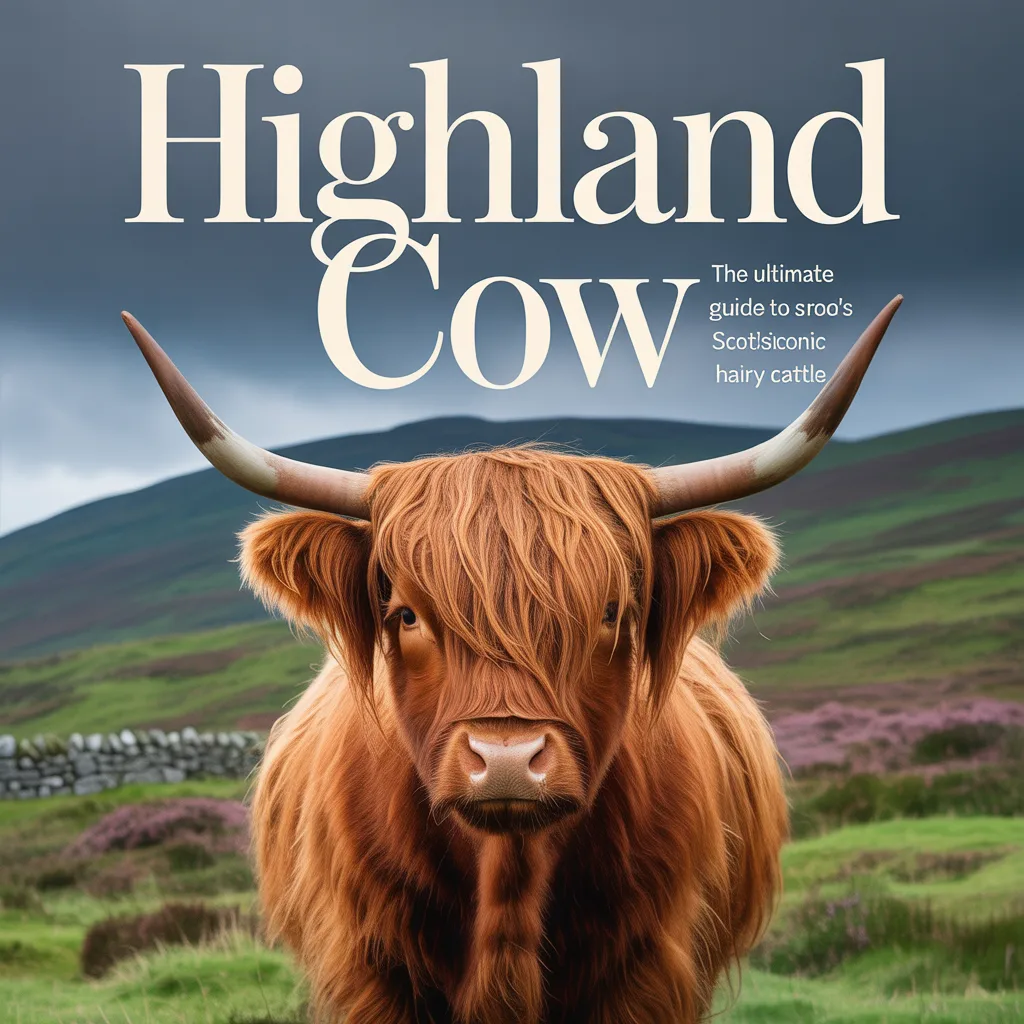

The highland cow is one of the most recognizable and beloved cattle breeds in the world, famous for its long shaggy coat, sweeping horns, and calm temperament. Originating from the rugged landscapes of Scotland, these hardy animals have adapted to survive in harsh climates where other livestock might struggle. Over time, the highland cow has become more than just a farm animal; it is now a cultural symbol, a tourist attraction, and even a social media favorite due to its unique and photogenic appearance. Whether you are a farmer considering raising livestock, an animal enthusiast, or simply curious about this fascinating breed, understanding the highland cow offers insight into both agriculture and nature’s adaptability.
What Is a Highland Cow?
The highland cow is an ancient Scottish breed of cattle known for its resilience and distinctive look. Its most notable feature is the long, thick double-layered coat that protects it from cold winds and heavy rain. Unlike many modern cattle breeds that require shelter, highland cows are well-suited to outdoor living year-round. Their horns are another defining trait, used not only for defense but also for digging through snow to find food during winter months. This breed has been carefully preserved over centuries, maintaining its original characteristics and genetic strength, which makes it highly valuable in sustainable farming practices.
Characteristics of Highland Cows
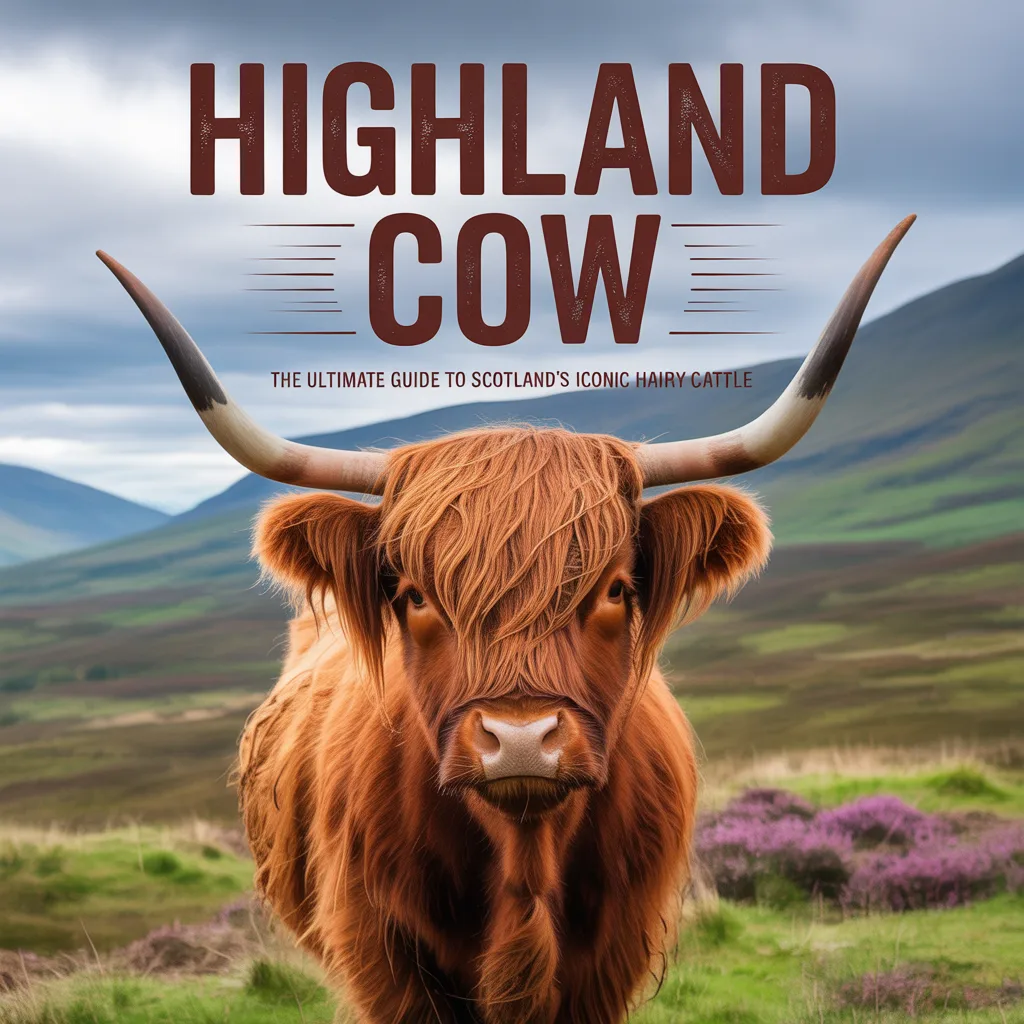
Highland cows possess a range of physical and behavioral traits that set them apart from other cattle breeds. Their long hair, often reddish-brown but also found in black, yellow, or white, serves as natural insulation. Beneath this outer coat lies a soft underlayer that provides additional warmth. They have strong, sturdy bodies and relatively short legs, allowing them to navigate uneven and mountainous terrain with ease. In terms of temperament, highland cows are known to be docile and friendly, making them easier to manage compared to more aggressive breeds. Their longevity is another advantage, as they often live longer and remain productive for more years than conventional cattle.
Habitat and Adaptability
One of the most impressive aspects of the highland cow is its adaptability. Originally bred in the Scottish Highlands, these animals thrive in cold, wet, and windy conditions. However, their adaptability has allowed them to spread across the globe, from North America to Australia and even warmer regions. Despite their thick coats, highland cows can tolerate heat as long as they have access to shade and water. Their ability to graze on rough vegetation, including grasses and shrubs that other cattle might avoid, makes them an environmentally friendly choice for land management and conservation grazing.
Benefits of Raising Highland Cows
Raising highland cows offers several advantages, particularly for small-scale farmers and sustainable agriculture enthusiasts. One of the main benefits is their low maintenance requirements, as they do not need expensive housing or intensive feeding systems. Their natural resistance to disease reduces the need for veterinary interventions, lowering overall costs. Additionally, highland cows produce high-quality, lean beef that is lower in fat and cholesterol compared to conventional beef, making it a healthier option for consumers. Their grazing habits also help maintain natural landscapes by controlling invasive plant species, contributing to ecological balance.
Highland Cow Care and Farming Tips
Although highland cows are hardy animals, proper care is still essential to ensure their health and productivity. Providing adequate grazing land is crucial, as these cattle rely heavily on natural forage. Clean water and mineral supplements should always be available to support their nutritional needs. While they can withstand cold weather, shelter from extreme heat or storms is beneficial. Regular health checks, including monitoring for parasites and ensuring proper hoof care, are important aspects of responsible farming. Additionally, maintaining secure fencing is necessary, as their horns and strength can make them capable of escaping weak enclosures.
Why Highland Cows Are So Popular
In recent years, highland cows have gained immense popularity beyond farming communities. Their charming appearance and gentle nature have made them internet sensations, frequently featured in viral photos and videos. Tourists visiting rural areas often seek out farms where they can see or interact with these animals. This popularity has also created opportunities for agritourism, where farmers can generate additional income by offering farm visits, photography sessions, or educational experiences. The combination of practicality and appeal makes the highland cow a unique and valuable breed in both agriculture and modern culture.
Conclusion
The highland cow stands as a remarkable example of nature’s resilience and adaptability, combining beauty, strength, and practicality in one extraordinary breed. From its origins in the rugged Scottish Highlands to its global presence today, this iconic animal continues to capture the admiration of farmers, tourists, and animal lovers alike. Whether valued for its sustainable farming benefits, high-quality meat, or simply its endearing appearance, the highland cow remains a symbol of tradition and innovation in livestock management. As interest in eco-friendly farming and unique animal breeds continues to grow, the importance of preserving and understanding the highland cow becomes even more significant.
FAQs About Highland Cows
1. What is special about highland cows?
Highland cows are unique due to their long shaggy coats, strong horns, and ability to survive in harsh climates with minimal care.
2. Are highland cows friendly?
Yes, they are generally calm and docile, making them easier to handle than many other cattle breeds.
3. Can highland cows live in hot climates?
They can adapt to warmer climates if provided with shade, water, and proper care.
4. What do highland cows eat?
They primarily graze on grass, shrubs, and rough vegetation that many other cattle breeds cannot efficiently utilize.
5. Is highland cow meat healthy?
Yes, it is leaner and lower in cholesterol compared to traditional beef, making it a healthier choice.