
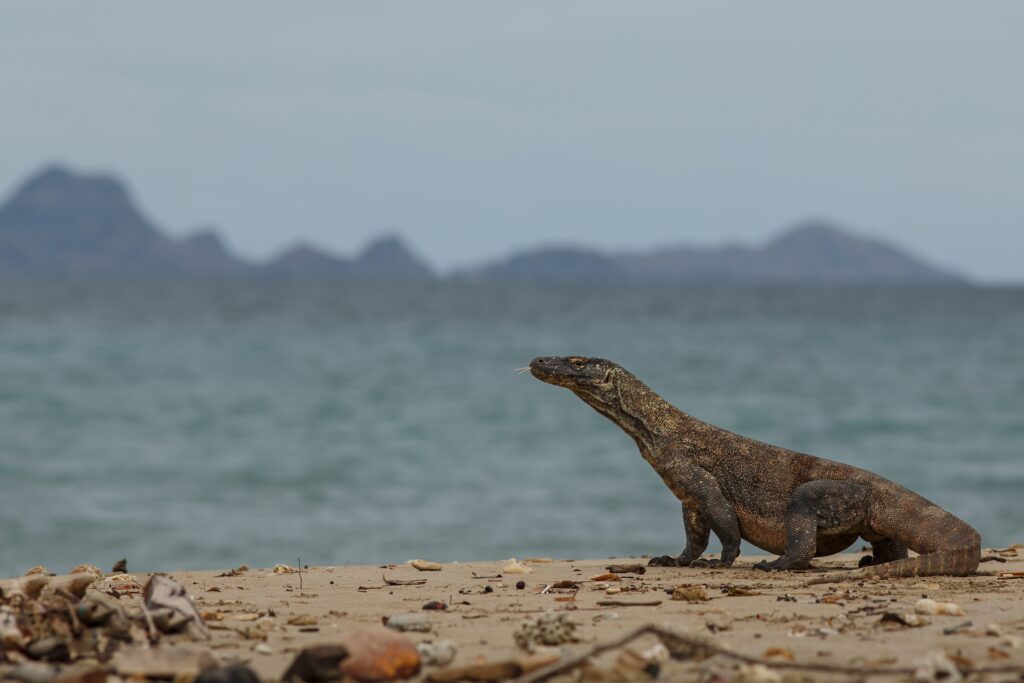

Hidden within the breathtaking landscapes of Indonesia lies one of the most extraordinary natural wonders on Earth—Komodo Island, home to the legendary dragons known as Komodo dragons. These remarkable creatures, often referred to as living dinosaurs, have fascinated scientists, travelers, and wildlife enthusiasts for decades. The phrase “dragons komodo island” captures not only the identity of these massive reptiles but also the sense of mystery and adventure associated with their habitat. As the largest lizards in the world, Komodo dragons represent a unique blend of power, survival, and evolutionary history, making them one of the most iconic species on the planet. Understanding their behavior, environment, and significance offers a deeper appreciation of nature’s complexity and the importance of conservation.
What Are the Dragons of Komodo Island?
The dragons of Komodo Island are scientifically known as Komodo dragon, a species of large monitor lizard found primarily in Indonesia. These reptiles can grow up to 10 feet in length and weigh over 70 kilograms, making them the largest living lizards on Earth. They are native to a small group of islands, including Komodo Island, Rinca Island, and Flores Island.
Komodo dragons are known for their powerful build, sharp claws, and serrated teeth, which enable them to hunt and consume large prey. Their saliva contains harmful bacteria and venom-like properties that weaken their victims, making them highly effective predators. Despite their fearsome reputation, they are also fascinating examples of adaptation and survival in a harsh and competitive environment.
Habitat and Natural Environment
Komodo dragons inhabit dry, rugged landscapes characterized by savannas, forests, and coastal regions. These environments provide the perfect conditions for hunting and nesting, as well as access to water sources and shelter. The islands they inhabit are part of the Komodo National Park, a protected area established to conserve these unique reptiles and their ecosystem.
The climate in this region is typically hot and dry, which suits the dragons’ cold-blooded nature. They rely on external heat sources to regulate their body temperature, often basking in the sun during the day and seeking shade when temperatures become too intense. This adaptation allows them to conserve energy and remain active in challenging conditions.
Behavior and Hunting Techniques
Komodo dragons are apex predators, meaning they sit at the top of the food chain in their environment. They are known for their patience and strategic hunting techniques, often ambushing prey such as deer, wild boar, and even water buffalo. Their strong sense of smell allows them to detect carrion from several kilometers away, making them both hunters and scavengers.
One of the most remarkable aspects of their behavior is their ability to take down large animals despite their relatively slow movement. They rely on a combination of stealth, power, and toxic saliva to incapacitate their prey. Once the prey is weakened, the dragon follows it until it succumbs, demonstrating a level of persistence and efficiency that highlights their evolutionary success.
Diet and Feeding Habits
The diet of Komodo dragons is diverse and reflects their role as opportunistic feeders. They consume a wide range of animals, including small mammals, birds, and reptiles, as well as larger prey when available. Their ability to eat up to 80% of their body weight in a single meal is a testament to their adaptability and survival instincts.
After feeding, Komodo dragons can go for extended periods without eating, which is essential in an environment where food sources may not always be consistent. This ability to store energy and survive on infrequent meals is one of the key factors that contribute to their longevity and resilience.
Why Komodo Dragons Are So Unique
What makes the dragons of Komodo Island truly unique is their combination of size, strength, and ancient lineage. They are often considered living relics of prehistoric times, offering a glimpse into the past and the evolution of reptiles. Their presence on a limited number of islands adds to their exclusivity and importance as a species.
In addition to their physical characteristics, their role in the ecosystem is crucial. As top predators, they help maintain the balance of animal populations, ensuring that no single species dominates the environment. This ecological role highlights the importance of preserving their habitat and protecting them from threats such as habitat loss and climate change.
Traveling to Komodo Island: What to Expect
Visiting Komodo Island is a once-in-a-lifetime experience for many travelers. The opportunity to see these incredible creatures in their natural habitat is both thrilling and educational. Guided tours are available within Komodo National Park, where trained rangers ensure the safety of visitors while providing valuable insights into the behavior and ecology of the dragons.
Travelers are advised to follow safety guidelines, such as maintaining a safe distance from the animals and staying with their guides at all times. The island’s rugged terrain and tropical climate also require preparation, including appropriate clothing and hydration. Despite these challenges, the experience of witnessing Komodo dragons in the wild is unforgettable and deeply rewarding.
Conclusion
The dragons komodo island of Komodo Island stand as one of nature’s most extraordinary creations, combining power, resilience, and ancient heritage in a single species. From their impressive size and hunting abilities to their vital role in the ecosystem, Komodo dragons continue to captivate and inspire people around the world. As interest in wildlife and conservation grows, understanding these remarkable creatures becomes increasingly important. By protecting their habitat and promoting responsible tourism, we can ensure that future generations have the opportunity to witness the awe-inspiring presence of these legendary dragons in their natural environment.
Frequently Asked Questions (FAQ)
1. What are the dragons of Komodo Island?
They are Komodo dragons, the largest living species of lizard found in Indonesia.
2. Where is Komodo Island located?
Komodo Island is part of Indonesia and lies within Komodo National Park.
3. Are Komodo dragons dangerous?
Yes, they are powerful predators and can be dangerous, which is why guided tours are required.
4. What do Komodo dragons eat?
They eat a variety of animals, including deer, birds, and other reptiles.
5. Can tourists see Komodo dragons?
Yes, visitors can see them in their natural habitat through guided tours in Komodo National Park.